Developer Guide: iPhone 18 Pro, Foldable & iOS 27 Specs
Introduction
Apple has officially scheduled its annual fall product launch event for 1 a.m. Beijing time on September 10, 2026. The keynote will bring multiple highly anticipated hardware refreshes to the market, with the upgraded iPhone 18 Pro lineup taking center stage. The event will also mark the long-awaited debut of Apple’s first foldable iPhone. Beyond mobile handsets, updates are expected across the Apple Watch and AirPods audio product families. This article sorts out the known specifications, design adjustments and functional upgrades of each upcoming product, analyzes the strategic adjustments in Apple’s product release rhythm, and discusses the market implications of the first foldable iPhone. As mobile developers build applications that connect device features with cloud services, a reliable API gateway like 4sapi can streamline unified interface management for cross-platform backend integration.
1. Event Schedule and Apple’s New Product Release Rhythm
Apple confirmed that its 2026 autumn keynote will kick off at 1 a.m. Beijing time on September 10. Unlike previous years when both standard and Pro iPhone models launched together, Apple will adjust its release cadence this cycle. The base iPhone 18 will be delayed until the spring launch event in the following year, and the September keynote will focus exclusively on high-end iPhone products, namely the iPhone 18 Pro and iPhone 18 Pro Max, alongside the brand-new foldable iPhone.
This shift in release scheduling reflects a segmented product strategy. By separating the standard and premium iPhone releases, Apple can manage production capacity and component supply pressure more effectively, while creating separate marketing cycles for entry-level and flagship devices. In addition to mobile hardware, the Apple Watch series and AirPods lineup are confirmed to receive iterative upgrades at the same event, forming a comprehensive refresh of Apple’s core consumer electronics ecosystem.
2. iPhone 18 Pro Series: Upgrades on Display, Chip, Battery and Imaging
The iPhone 18 Pro and iPhone 18 Pro Max inherit the overall form factor of the iPhone 17 series while rolling out targeted upgrades in screen, computing power, communication, battery life and camera systems.
2.1 Display Specifications
The two Pro models feature 6.3-inch and 6.9-inch LTPO adaptive refresh rate OLED panels respectively. Apple has reduced the area occupied by the dynamic island by 35%, which delivers a more immersive visual experience for video playback and app content display. The LTPO panel supports dynamic refresh rate adjustment, balancing smooth visual performance with power consumption for daily use.
2.2 Chip and AI Capabilities
Both devices are powered by the A20 Pro chip fabricated with TSMC’s 2-nanometer process and packaged via the WMCM technology. The new chip brings substantial gains in raw computing performance and AI inference efficiency, serving as the core hardware foundation for on-device Apple Intelligence. The models will ship with 12GB of physical memory to sustain the memory overhead required by local large model operations and multitasking workflows. The devices will come pre-installed with iOS 27, which is optimized for the new chip’s AI acceleration modules.
2.3 Communication and Battery Performance
Apple’s self-developed C2 modem is expected to make its debut on this generation of Pro iPhones. The new modem is designed to enhance signal reception quality while optimizing energy consumption during cellular connectivity. In terms of battery capacity, the Chinese mainland version of the iPhone 18 Pro will be equipped with a 4056mAh battery, while the iPhone 18 Pro Max will upgrade to a 5391mAh battery, representing an approximately 11.8% increase in capacity compared to the prior generation. The battery upgrade will extend single-screen-on usage from 5 hours to 8 hours, and the overall endurance can reach up to 40 hours when paired with the included charging case.
2.4 Imaging and Color Options
For the camera system, the main wide-angle lens will adopt a physical variable aperture for the first time on the iPhone Pro lineup, enabling manual adjustment of depth-of-field effects during photography. Four color finishes will be available for the new Pro models: deep cherry red, light blue, silver and deep space black.
3. Apple’s First Foldable iPhone: Breakthrough Form Factor with Compromised Specifications
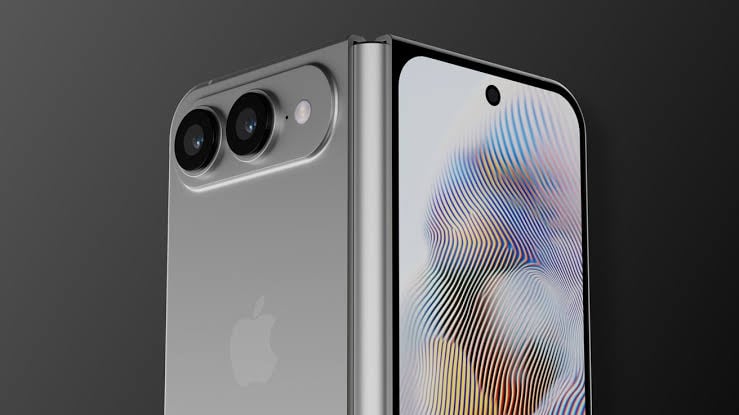
The foldable iPhone, widely rumored to be branded iPhone Ultra, stands out as the most notable highlight of the September event. It adopts an inward-folding design with a 5.5-inch outer cover screen and a 7.8-inch main internal panel with a 4:3 aspect ratio. When fully unfolded, its screen size is close to that of a compact iPad. The hardware assembly includes a titanium metal frame, liquid metal hinges and ultra-thin protective glass to balance structural rigidity and thinness.
In core configuration, the foldable iPhone will also carry the A20 Pro chip and 12GB RAM, preloaded with iOS 27. Apple has made underlying optimizations within iOS 27 to support large foldable screen interaction frameworks, providing high adaptability for third-party developers to build split-screen and multi-window applications, which is a major competitive advantage of this product.
However, the device comes with clear trade-offs due to physical and structural constraints. It is reported to drop the Face ID facial recognition system and switch to a side-mounted Touch ID fingerprint sensor for identity verification. On the imaging side, the rear camera array only includes dual 48-megapixel main and ultra-wide sensors, with no dedicated telephoto lens, marking a noticeable downgrade compared to the Pro iPhone series in zoom photography capability.
The release of the foldable iPhone signals Apple’s official entry into the premium foldable mobile market, a segment that Android manufacturers have occupied for years. Apple’s conservative hardware configuration reveals its cautious product philosophy: it prioritizes reliability and software ecosystem maturity over stacking cutting-edge camera specifications for its first foldable hardware release.
4. Apple Watch and AirPods: Continuous Iteration for Better User Experience
Alongside the iPhone updates, the Apple Watch product family will introduce the Apple Watch Series 12, a new Ultra generation and refreshed SE models. The Series 12 and Ultra will adopt a new S-series processor to boost the computing power of on-device Siri and hand gesture interaction. A new blood pressure monitoring function will be added, alongside improvements to battery life, connectivity and overall performance. The ceramic case material is expected to make a return for premium configurations. The updated Ultra model will continue to target outdoor and hardcore use scenarios with reinforced hardware durability, while the new SE version will focus on supplementary health tracking features and optimized power efficiency for entry-level users.
In the audio segment, AirPods 5 will launch simultaneously in two variants: a standard edition and an active noise cancellation version. Both models will be equipped with the H3 audio chip, which reduces audio transmission latency, improves sound resolution and enhances battery endurance for daily listening and call scenarios.
5. Market Outlook and Core Uncertainties
Apple’s 2026 fall product portfolio reflects a clear two-line strategy. The iPhone 18 Pro series focuses on incremental refinements of mature flagship features, centered on 2nm chip performance, on-device AI and battery upgrades. The foldable iPhone serves as a forward-looking exploratory product to test consumer demand for Apple’s foldable ecosystem.
The biggest variable after the launch will be pricing. The global upward trend in electronic component costs may push Apple to adjust the pricing of the new high-end devices. The foldable product, in particular, will carry higher manufacturing costs from its specialized hinge, ultra-thin glass and titanium frame. Its retail price will directly affect market penetration and consumer acceptance.
For developers and enterprise teams building services compatible with Apple’s new hardware features, unified API management becomes essential when connecting mobile clients, cloud AI capabilities and backend business systems. Solutions such as 4sapi help standardize access control and traffic governance across diverse service endpoints.
Conclusion
Apple’s 2026 September keynote will mark a milestone moment for its mobile hardware roadmap. The iPhone 18 Pro lineup brings comprehensive upgrades in chip performance, battery capacity and camera functionality, while the debut of the foldable iPhone represents Apple’s long-awaited entry into the foldable smartphone track. The synchronized updates to Apple Watch and AirPods will further consolidate the interconnected advantages of Apple’s hardware ecosystem. While the foldable model has certain hardware compromises, its optimized large-screen interaction system built on iOS 27 may create new application possibilities for developers. The final pricing strategy will be a key factor determining the commercial performance of these new products.
Learn more:https://4sapi.com